


The Christchurch to West Coast Glacier Highway
 15 June 2026
There's a particular kind of magic that happens when you drive from one of New Zealand's largest cities into some of its wildest landscapes. The Christchurch to West Coast route captures this transformation perfectly. Over a single day, or better yet, stretched across several, this drive takes you from urban gardens and plains, through the spine of the Southern Alps, across one of the world's most dramatic mountain passes, and into the raw, tempestuous beauty of New Zealand's West Coast.
What makes this journey remarkable isn't just the destination. It's the process of getting there. Every hour brings a different landscape, a different climate, a different sense of what New Zealand contains. You leave behind the rebuilt spaces of Christchurch and climb steadily higher, watching forests give way to alpine tussock, watching the horizon fill with mountains. Then, quite suddenly, you d-r-o-p down into a world of rainforest, river valleys, and the constant presence of the Tasman Sea. Finally, you arrive in glacier country, a place where ancient ice descends into temperate forest, something that feels geologically impossible until you see it yourself.
This is a road trip for those who want to understand how diverse New Zealand's South Island truly is. And it's one that rewards those who take time to experience it properly.
The Ascent: Leaving the Plains Behind
Christchurch sits on the edge of the Canterbury Plains, a landscape so open and expansive that mountains feel like a distant rumour. The drive west from Christchurch begins gently, but within the first hour, the landscape begins to announce itself.
Before you head toward the mountains, it's worth spending time in the city itself. Christchurch has undergone a remarkable transformation since 2011, reinventing itself with innovative architecture, revitalized gardens, and a creative energy that surprises many visitors. The rebuilt city tells a story of resilience and renewal, and understanding this context makes the contrast with what comes next even more striking. You can explore the riverside precinct, visit the botanical gardens, or, if you want to gain a sweeping perspective before you depart, a scenic flight reveals just how vast the Canterbury Plains truly are and how the mountains dominate the southern horizon.
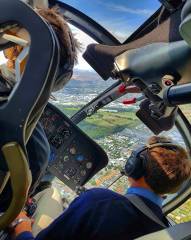
Christchurch City Scenic Helicopter Flight
 Christchurch, Canterbury
A 20-minute flight over Christchurch City, the picturesque harbour of Lyttelton, and stunning bays is the ultimate scenic tour in Christchurch, giving you the best perspective of this beautiful part of New Zealand.


As you drive westward, the plains gradually begin to rise. The landscape transitions from farmland to forested foothills. The light changes. The air feels different. You're climbing into the Southern Alps, and the ascent has begun.
The Alpine Gateway: Castle Hill and the Mountain Crossing
The first truly dramatic stop along this route is Castle Hill, a landscape so unusual that it appears frequently in international films and documentaries. Massive limestone boulders, some the size of houses, are scattered across rolling terrain as though placed by giant hands. The formations emerged from a combination of geological forces: limestone rock layers, ancient glaciation, and millions of years of weathering have created a natural sculpture park that feels almost otherworldly.
Walking among these formations is an essential part of understanding this landscape. The boulders create natural pathways and viewpoints, and the surrounding views toward the Southern Alps are extraordinary. The area is popular with climbers and hikers, and on clear days, the combination of rock formations and mountain scenery creates some of New Zealand's most photographed landscapes. For those wanting to understand the geology and history of the region more deeply, guided experiences through the area provide context and reveal details you might miss on your own.
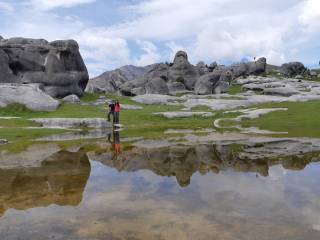
Castle Hill
Christchurch, Canterbury
Explore Castle Hill/Kura Tawhiti and inland Canterbury from Christchurch. Food, local guide, and transport included.
Beyond Castle Hill, the road continues climbing. The forest here is beech, cold temperate rainforest that thrives at altitude. The temperature drops noticeably. The air becomes crisper. And then you reach Arthur's Pass itself.
Arthur's Pass is not just a geographical milestone; it's a genuine threshold. At 920 metres, it's one of New Zealand's most accessible alpine crossings, and the drive through it is genuinely spectacular. The road winds through deep valleys carved by ancient glaciers. Native beech forests cling to steep hillsides. Waterfalls cascade down rock faces, fed by mountain streams. And everywhere, mountains rise in peaks and ridges that stretch toward the sky. On clear days, the views extend for dozens of kilometres. On cloudy days, the mist rolling through the valleys creates a moody, atmospheric landscape that photographs beautifully.
This is where many visitors choose to stop and walk. Short alpine walks from the pass reveal native birdlife, including the famously curious kea, New Zealand's only alpine parrot. These birds are intelligent, playful, and utterly unafraid of humans, often appearing to investigate visitors with genuine interest. Longer trails push deeper into the alpine environment, offering insights into how this ecosystem works and why it's so unique.
For those wanting a more immersive experience of the region, guided tours through Arthur's Pass National Park offer deeper understanding of the landscape's geology, ecology, and human history. These journeys help explain how this pass has shaped travel and commerce across the South Island for centuries.
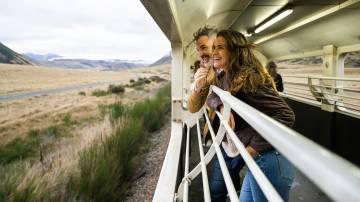
Arthur’s Pass Day Tour From Christchurch via 1 Way TranzAlpine From Christchurch to Greymouth
Canterbury Plains, Canterbury
Arthur's Pass tour offers dramatic terrain, powerful waterfalls, unique fauna, native Beech forest, and engineering feats, making it a popular destination for hikers and sightseers alike.
The Descent: Entering the West Coast
What happens next is one of the most striking landscape transitions in New Zealand. As you descend from Arthur's Pass toward the West Coast, the environment transforms completely. The alpine forest gives way rapidly to dense native rainforest. The valleys narrow. The mist intensifies. And within an hour of crossing the pass, you've entered an entirely different world.
The West Coast of New Zealand's South Island is deliberately different from everywhere else in the country. It's wilder, wetter, less commercialized, more rugged. The landscape here has been shaped by the Southern Alps on one side and the Tasman Sea on the other, creating a tempestuous environment where mountains, rivers, and ocean are in constant conversation. The rainforest is lush because of the sheer volume of rain that falls here, some areas receiving over 5 metres annually. This creates an intensity of life that's different from anywhere else in the country.
The drive itself becomes more intimate. The road is still well maintained, but it's narrower, more winding. You're driving through dense forest where the world feels compressed to just the road ahead and the landscape immediately surrounding you. The light is softer here. The air smells of rain and rich soil. Weather can change rapidly: fog rolling in from the coast, rain appearing suddenly, then clearing just as quickly.
Discovering the Unique: Punakaiki and the Limestone Coast
As you continue south along the coast, one stop stands out for its geological uniqueness: Punakaiki, home to the famous Pancake Rocks and Blowholes. The limestone formations here have been carved by millions of years of wave action and weather, creating layers of rock that resemble, quite accurately, stacked pancakes. The effect is strange and beautiful, like watching stone defy gravity.
What makes Punakaiki truly remarkable is the blowholes. At high tide, seawater surges through underground caverns and explodes upward through holes in the rock, sometimes shooting water metres into the air. The timing is unpredictable, but when the conditions align, rough seas, high tide, a clear day, the spectacle is genuinely memorable.
Beyond the famous rocks, the Punakaiki area contains numerous caves, underground streams, and hidden waterways. Guided cave adventures reveal a hidden world of limestone formations, underground rivers, and glowworms that create a sense of discovery quite different from viewing the landscape from above. These experiences offer insight into how water shapes stone over geological time and why the West Coast's landscape is so distinctive.
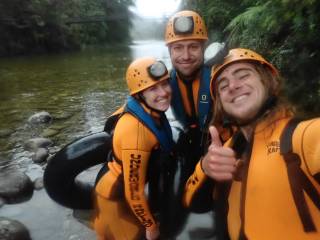
Underworld Adventures
Punakaiki, West Coast
Join us on a magical journey of discovery in the awe-inspiring Ananui GlowWorm Caves with our award-winning Underworld Rafting adventure. Explore an untamed calcite paradise of stalactites and stalagmites in the eons- ...
Into Glacier Country: Franz Josef and Fox Glacier
The final section of this drive takes you into glacier country, and the landscape changes once again. The mountains become more prominent, rising directly from forested valleys. The rivers you cross are glacier fed, their colour distinctly milky, this is meltwater from ice fields high in the mountains. And then you arrive at Franz Josef.
Franz Josef is a small township that serves as the gateway to one of the world's most extraordinary landscapes. The Franz Josef Glacier is remarkable because it descends from the Southern Alps, where eternal ice persists, down into temperate rainforest. This combination almost shouldn't exist. Most glaciers descend into alpine meadows or barren valleys. But here, ice meets forest, and the contrast is startling.
The best way to appreciate the scale and beauty of Franz Josef Glacier is from above. A scenic flight reveals what's impossible to see from ground level: the full extent of the ice field, the route the glacier takes down the mountain, the surrounding peaks, and the way the landscape transitions from ice to forest to coast. These flights are brief but revelatory, they help you understand the true scale of the mountains and the forces that have shaped this landscape. For those wanting an even more immersive aerial experience, a longer glacier flight that encompasses both Franz Josef and Fox Glacier provides a comprehensive perspective of the region's glaciated peaks.
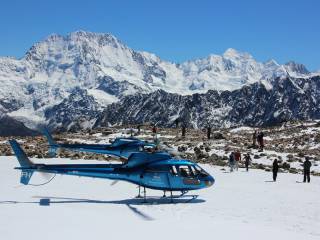
Ultimate Discovery - 45-minute Three-Glacier Flight
Franz Josef, West Coast
Soar over Franz Josef Glacier, Fox Glacier and Tasman Glacier, with incredible views of the Southern Alps, Main Divide, Aoraki/Mount Cook and Mount Tasman. Land on the snow for 15 minutes and take in the breathtaking alp ...
For a slower paced experience, guided nature tours explore the rainforest environment surrounding the glaciers, revealing the unique ecosystem that thrives in this wet, temperate climate. These walks provide understanding of why the forest here is so lush, what wildlife lives here, and how glaciers shape the river valleys.
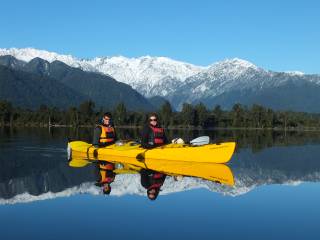
Kayak Classic Tour - Franz Josef Glacier
Franz Josef, West Coast
Explore Lake Mapourika on our original kayak experience, set within a UNESCO World Heritage landscape on the edge of Westland Tai Poutini National Park. In a small, friendly group, paddle across the lake’s mirror-like ...
Just a short drive south lies Fox Glacier, which, despite its slightly smaller size, offers equally stunning scenery and often feels less crowded than its more famous neighbour. The landscape here is equally dramatic, mountains rising directly from rainforest, the Tasman Sea nearby, and the constant presence of the glacier's influence on the surrounding environment.
A scenic flight dedicated specifically to Franz Josef provides stunning views of the glacier's extent and the surrounding alpine environment. The full extent of the ice field, the route the glacier takes down the mountain, the surrounding peaks, and the way the landscape transitions from ice to forest to coast become immediately apparent.
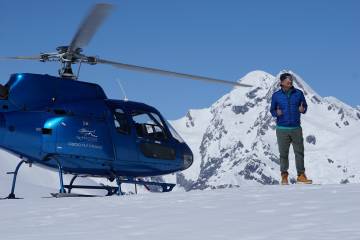
Glacier Explorer - 25minute Franz Josef Flight
Franz Josef, West Coast
This 25-minute flight includes: Franz Josef Glacier Southern Alps Mt Ellie de Beaumount An included 10-minute snow landing
For those seeking a truly memorable experience, landing directly on one of the glaciers, whether via helicopter or small fixed wing aircraft, provides an experience few travellers ever forget.
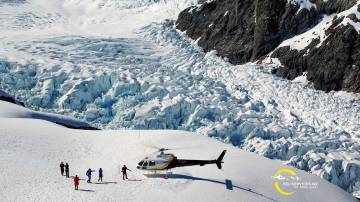
Flight option 1 - Fox Glacier incl. snow landing (allow 20 minutes - departs Fox Glacier)
Fox Glacier, West Coast
Explore the Fox Glacier to 6,000ft and land on the snow with exceptional views of New Zealand's Southern Alps (allow 20 minutes - departs Fox Glacier). A not-to-be-missed experience!
Standing on ice that's thousands of years old, surrounded by towering mountains and the vast expanse of the ice field, is genuinely humbling. The ice beneath your feet is ancient, but it's also fragile, shrinking year by year as climate patterns shift. The experience carries a weight that photography alone can never capture.
Why This Journey Is Best Experienced Slowly
Although the route can technically be completed in a single day, doing so means missing many of the experiences that make this journey memorable. The changing landscapes, scenic viewpoints, short walks, and regional attractions reward travellers who allow extra time to explore. Spending several days on the road creates opportunities to experience Arthur's Pass, the West Coast, and glacier country at a more relaxed pace while discovering places that many visitors simply drive past.
Planning Your Journey: Timing and Practical Considerations
How long should you allow for this drive? While it's technically possible to drive from Christchurch to Franz Josef in a single long day, doing so misses entirely the point of the journey. Most visitors benefit from allowing three to five days.
A three day itinerary might look like this:
Day 1: Leave Christchurch in the morning, drive to Castle Hill and explore for an hour or two, continue through Arthur's Pass, and overnight near Greymouth on the West Coast. This day captures the dramatic alpine crossing and gives you time to experience Arthur's Pass properly.
Day 2: Drive south along the coast, stopping at Punakaiki to explore the Pancake Rocks and perhaps take a cave adventure, then continue to Franz Josef. This day showcases the transition from mountains to rainforest and introduces you to the unique West Coast environment.
Day 3: Spend the day at Franz Josef experiencing the glaciers, whether through scenic flights, guided walks, or helicopter adventures. This day allows you to appreciate the culmination of the journey without rushing.
Those with four or five days can add time at each stop, explore Fox Glacier more thoroughly, or venture on optional detours. Consider walking portions of regional trails, exploring the Te Waihou Walkway, or investigating other attractions in the region.
Seasonal considerations matter significantly. Summer (December to February) offers longer daylight hours and warmer temperatures, but also larger crowds and higher prices. Winter brings snow to the alpine passes, which can create spectacular scenery but also road closures and weather challenges, particularly at Arthur's Pass. Spring (September to November) and autumn (March to May) often provide the best balance of weather, visibility, and fewer crowds.
The West Coast is notably wetter than the rest of New Zealand. Pack waterproof jackets, regardless of the season. The rainforest here exists because it rains frequently, and being prepared for wet weather makes the experience more enjoyable.
Understanding What You're Experiencing
This drive works as a road trip because it tells a story through landscape. You're not just moving from one place to another, you're experiencing a progression. You begin in a city of human creation, ascend into alpine wilderness, transition through a dramatic mountain pass, and descend into one of the world's last great temperate rainforests. You end among glaciers that are thousands of years old.
Understanding this progression enhances the experience. The landscape isn't random; it's telling you about geology, climate, and the forces that have shaped New Zealand. The mountains you see are the result of ongoing tectonic activity. The forests exist because of rainfall and temperature patterns. The glaciers reflect larger climate cycles. When you understand what you're looking at, the landscape becomes even more extraordinary.
This is also a journey through increasingly wild landscapes. Christchurch is a city in the modern sense, rebuilt, urban, designed. Arthur's Pass and the West Coast are environments shaped primarily by natural forces, where human presence is secondary. Glacier country represents some of the most untouched wilderness in New Zealand. This progression from civilization to wilderness and back is part of what makes the journey meaningful.
The Lasting Impact of the Journey
Most travellers who experience this drive describe it as one of their most memorable New Zealand experiences. It's not because there's a single "best" stop or experience. Rather, it's the progression, the way the landscape transforms, the sense of climbing higher and then descending into an entirely different environment, the feeling of moving from the familiar into wilderness.
What lingers after the drive is often not a specific moment but a sense of understanding. You've seen how varied New Zealand's South Island truly is. You've experienced altitude, alpine environments, temperate rainforest, and glacier country, often within a single day. You've moved from human created landscapes into environments where humans are visitors rather than residents. And you've arrived at places that feel genuinely remote and ancient.
This road trip works not because it's a checklist of things to do, but because it's a genuine journey, one where the experience of travelling matters as much as the destinations themselves.
Frequently Asked Questions about The Christchurch to West Coast Glacier Highway
How long does the drive from Christchurch to Franz Josef take?
Approximately 380 kilometres, typically 5 to 6 hours of actual driving time without stops. Most visitors spread this over three to five days to fully experience the highlights along the way.
Is Arthurs Pass safe in winter?
Arthurs Pass is generally well maintained and safe, but winter conditions can be treacherous. Snow, ice, and avalanche risk occasionally cause temporary closures. Always check current road conditions before travelling during winter months and allow extra time for driving.
Whats the best time to visit for photography?
Spring (September to November) and autumn (March to May) often provide the clearest visibility and best light, with fewer crowds than summer. Winter offers dramatic snow covered mountains but weather can be unpredictable. Summer is busier but offers the longest daylight hours.
Can you walk on the glaciers?
Glacier access changes based on safety and weather conditions. Guided glacier walks are available but require good fitness and appropriate footwear. Scenic flights and helicopter landings on the glacier are popular alternatives that dont require walking on the ice.
What should I pack?
The West Coast is notably wetter than the rest of New Zealand. Waterproof jackets and rain gear are essential year round. Layers work well for the alpine sections where temperature varies significantly. Comfortable walking shoes, sunscreen, and a camera are important for capturing the scenery.
Is this road trip suitable for all drivers?
Yes, the roads are well maintained and straightforward to navigate, though Arthurs Pass can be narrow and winding. Extra care is needed during winter and adverse weather. The drive is suitable for most vehicle types, though larger vehicles should drive carefully through narrower sections.