


Matariki in New Zealand: Māori New Year, Stargazing & Cultural Experiences
 02 June 2026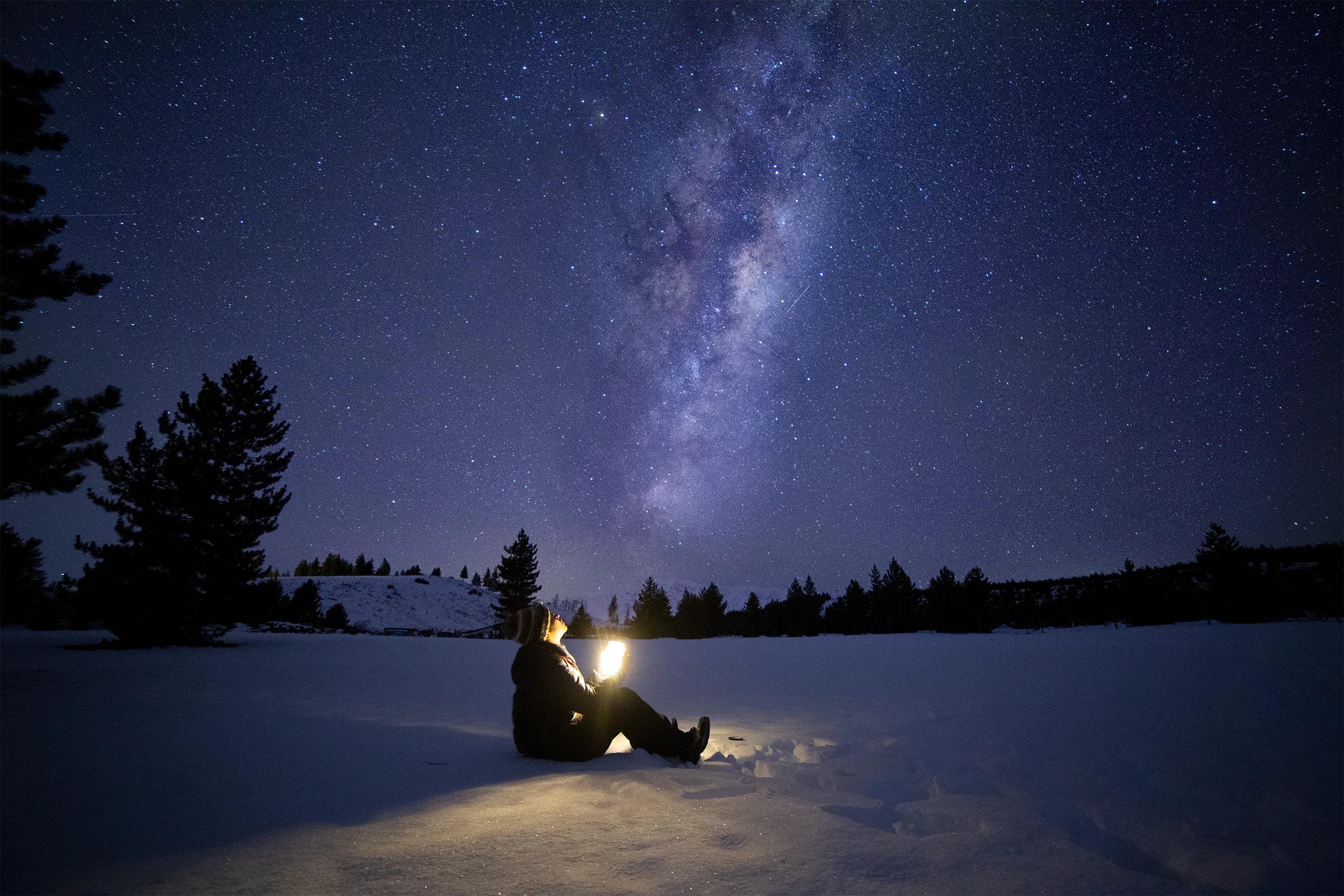
As the temperatures cool and the long summer crowds disappear, winter in New Zealand begins to reveal a quieter and more reflective side of the country. Clear night skies stretch across remote coastlines, alpine lakes become still and glass-like, and communities gather to mark one of the most meaningful periods in the Māori calendar: Matariki.
More than simply a public holiday, Matariki represents the Māori New Year and carries themes of remembrance, renewal, connection, gratitude, and looking ahead to the future. The appearance of the Matariki star cluster in the winter sky traditionally signalled a new seasonal cycle, guiding reflection on the year that had passed while preparing for the months ahead.
Today, Matariki has become one of New Zealand's most important cultural celebrations and also one of the country's most unique winter travel periods. Across the country, travellers can experience dark sky regions, Māori storytelling, cultural performances, stargazing experiences, geothermal landscapes, winter wellness escapes, and quieter regional journeys that feel deeply connected to nature and seasonality.
Rather than being centred around large commercial events, Matariki encourages slower travel and meaningful experiences. It's a time to reconnect with people, landscapes, stories, and the natural world.
Understanding the Meaning of Matariki
Matariki refers to a cluster of stars known internationally as the Pleiades. In Māori tradition, the reappearance of these stars during winter marks the beginning of the new year. For generations, Matariki guided seasonal planning, food gathering, navigation, remembrance, and community connection throughout Aotearoa New Zealand.
While celebrations differ between iwi (tribes) and regions, common themes remain consistent throughout the country:
Remembering those who have passed Celebrating the present Gathering with whānau (family) Sharing food and stories Connecting with the environment Planning for the future
Unlike many modern celebrations built around entertainment or commercial activity, Matariki remains deeply connected to nature, astronomy, seasonal cycles, and reflection. This connection to landscape and sky is one of the reasons why travelling during Matariki can feel so different compared to other holiday periods.
The winter atmosphere itself becomes part of the experience. Colder evenings, darker skies, misty mornings, geothermal warmth, and quieter roads all contribute to a slower style of travel that suits the themes of Matariki naturally.
Why Matariki Creates a Different Style of Travel
For travellers exploring New Zealand during winter, Matariki offers an opportunity to experience the country beyond the peak summer tourism season. The atmosphere becomes calmer, landscapes feel more dramatic, and many experiences shift towards storytelling, night skies, wellness, culture, and nature.
Winter travel during Matariki often centres around:
Dark sky experiences Māori cultural connection Geothermal regions Slower regional exploration Coastal retreats Nature walks Hot pools and wellness Food gathering and seasonal dining Night events and storytelling
Rather than rushing between destinations, Matariki encourages visitors to spend more time engaging with each place more thoughtfully.
Across New Zealand, many regions now incorporate Matariki into cultural programmes, community events, seasonal menus, art installations, and guided experiences. Even outside official celebrations, the themes of reflection and connection naturally shape the travel experience during this time of year.
Experiencing Matariki Under New Zealand's Winter Sky
One of the most memorable aspects of Matariki is how naturally it encourages people to slow down and look up.
Away from busy city lights, New Zealand's winter skies become remarkably clear. Coastal towns grow quieter, mountain landscapes become more dramatic, and evenings feel longer and more reflective. Whether you're standing beside an alpine lake in the South Island, watching the stars emerge above a Northland coastline, or joining a guided astronomy experience, the connection between Matariki and the night sky becomes easy to understand.
For many visitors, these moments become the highlight of their journey. The experience is not simply about seeing a star cluster. It is about pausing long enough to reflect on where you've been, appreciate where you are, and look ahead to what comes next.
This connection between people, landscape, and sky is what makes Matariki one of New Zealand's most meaningful travel experiences.
Best Places in New Zealand to Experience Matariki
Rotorua: Culture, Wellness and Living Traditions
Rotorua is one of the most meaningful places in New Zealand to experience the spirit of Matariki. The region's strong connection to Māori culture, storytelling, geothermal landscapes, and traditional hospitality creates an environment that reflects many of the values associated with the Māori New Year.
Visitors can experience cultural performances, traditional storytelling, and authentic Māori hospitality through experiences that provide insight into traditions, connection to the land, and the importance of community and shared knowledge.
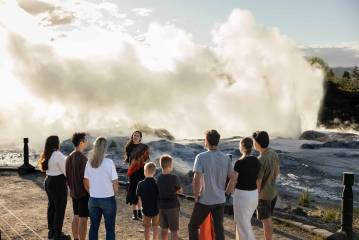
Te Puia - Te Pō Indigenous Evening Experience Combo
 Rotorua
Experience an evening of culture, kai, and connection with Te Pō Combo. Begin at 4 pm with a guided tour of our geothermal valley, exploring native bush, geysers, mud pools, Pōhutu Geyser, the Kiwi Conservation Ce ...


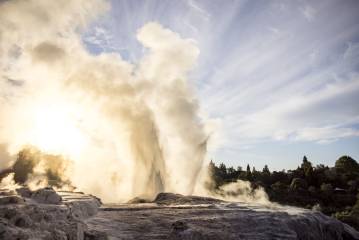
Te Puia - Te Rā Guided Experience
Rotorua
Experience a day of culture, nature, and connection in Te Whakarewarewa Geothermal Valley. See geysers, bubbling mud, and native bush, and get close to Pōhutu Geyser, the largest active geyser in the southern hemisph ...
Matariki is also a time associated with renewal, wellbeing, and looking ahead to the future. Rotorua offers opportunities to experience these themes through wellness experiences that combine Māori cultural values with relaxation and connection to the natural environment.
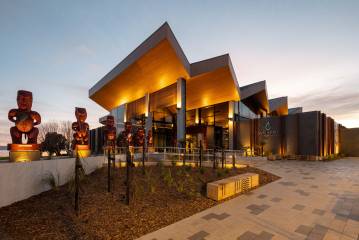
Wai Ariki Spa - Restorative Journey (2 hour luxury Māori cultural wellness experience)
Rotorua
Unique in the world, this multi-sensory wellness experience blends cultural commentary with the restorative elements of geothermal heat, water, mud, and steam, in the heart of Rotorua. Purposefully curated to restore bal ...
Together, these experiences create a powerful combination of culture, reflection, wellbeing, and connection to place, making Rotorua one of New Zealand's most rewarding destinations during Matariki.
Matariki & Stargazing in New Zealand
Because Matariki itself is connected to the appearance of stars, dark sky experiences naturally become one of the most meaningful ways to experience the season.
New Zealand offers some of the clearest night skies in the world, particularly during winter when colder temperatures often create ideal viewing conditions. Away from major cities, the stars feel dramatically brighter, and many regions now offer astronomy and stargazing experiences that connect science, navigation, and Māori celestial traditions.
Lake Tekapo and the Mackenzie Region are internationally recognised for their dark sky conditions. Winter nights here can feel incredibly still and atmospheric, with snowy mountain ranges, alpine lakes, and uninterrupted skies creating one of New Zealand's most memorable winter landscapes.
For travellers wanting to experience the night sky more deeply, guided astronomy experiences help reveal the stories and science behind New Zealand's southern skies.
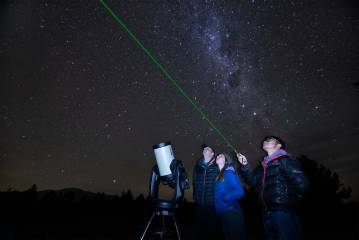
Night Sky Astronomy Experience
Lake Tekapo, Canterbury
This is our classic experience. During this tour, you will share a 90-minute astronomy experience with other night sky enthusiasts. Your guide will give you an explanation of the night sky and show you deep sky objects t ...
Other stargazing experiences combine nature, darkness, and remote landscapes in quieter parts of the country where light pollution remains minimal.
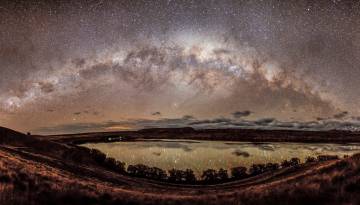
Silver River Stargazing Tour
Lake Tekapo, Canterbury
Silver River Stargazing is Lake Tekapo’s leading small group stargazing tour. Large telescopes, small groups & awesome guides allow us to wow you with full 360° views of the southern night sky from our 50,000-acr ...
Even in larger cities like Auckland, visitors can still connect with the astronomy side of Matariki through observatory and planetarium experiences focused on stars, navigation, and celestial storytelling.
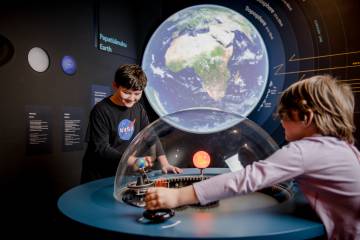
Stardome Observatory and Planetarium
East Auckland, Auckland
Stardome offers fully immersive indoor planetarium shows, year-round Māori astronomy shows, telescope viewing, music & laser events, and hands-on exhibits. The vibrant and hands-on public galleries give visitors ...
Travellers exploring the South Island can also discover more experiences throughout Lake Tekapo, the Mackenzie Region, and New Zealand's wider dark sky destinations, where winter conditions often create some of the country's best stargazing opportunities.
Top Regions to Explore During Matariki
Northland
Northland offers a quieter coastal atmosphere during winter, with Māori cultural experiences, coastal landscapes, forests, galleries, and slower paced regional travel that naturally aligns with the reflective themes of Matariki.
Visitors wanting to experience storytelling, nature, and Māori history together often find Northland especially rewarding during the winter season.
Auckland
Auckland combines observatories, museums, cultural experiences, waterfront nightscapes, and seasonal events during Matariki. The city also serves as an accessible introduction to astronomy experiences and Māori cultural storytelling for many visitors beginning their New Zealand journey.
Visitors can also explore more experiences throughout Auckland during the Matariki season.
Wellington
Wellington often embraces Matariki through cultural performances, art installations, museums, waterfront events, and storytelling experiences throughout the city. Winter weather adds to the dramatic atmosphere, particularly around the harbour and cultural precincts.
Lake Tekapo & Mackenzie Region
For many travellers, Lake Tekapo becomes one of New Zealand's most memorable Matariki destinations. Snow covered mountains, alpine lakes, and internationally recognised dark sky conditions create an atmosphere that feels perfectly connected to the themes of stars, reflection, and winter travel.
Rotorua
Rotorua combines geothermal warmth, Māori culture, forests, storytelling, and wellness experiences in a way that feels deeply aligned with Matariki. During winter, the region becomes especially atmospheric and immersive.
Waitangi and the Bay of Islands: History, Reflection and Connection
The Bay of Islands holds a special place in New Zealand's story and offers visitors an opportunity to connect with many of the themes that sit at the heart of Matariki. Reflection, remembrance, identity, and looking to the future all have strong connections to this historically significant region.
A visit to Waitangi provides valuable insight into New Zealand's cultural foundations through exhibitions, heritage sites, performances, and stories that continue to shape the nation today.
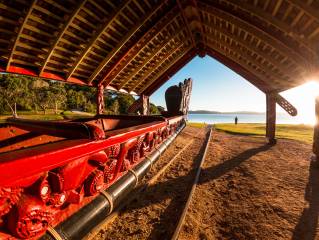
Waitangi Admission Pass
Paihia, Northland
Waitangi Treaty Grounds welcomes you on a journey of discovery through Aotearoa New Zealand’s most important historic site. Your admission is valid for two consecutive days and includes a guided tour (50 minutes), cult ...
Visitors wanting to explore more of Northland's cultural and natural heritage can also discover native forest, local history, and unique cultural attractions that showcase the character of the region.
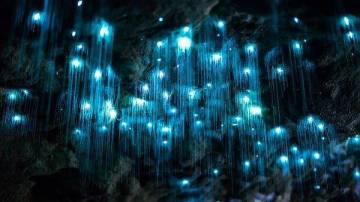
Kawiti Glow Worm Caves, Hundertwasser Centre, Opua Forest Walk
Bay Of Islands, Northland
Step into a glittering underground world on this unforgettable tour combining three of Northland's most unique attractions. Walk a wooden boardwalk through a 200-metre limestone cave alive with thousands of native glow w ...
For travellers seeking a deeper understanding of New Zealand during the Matariki season, Waitangi remains one of the country's most meaningful destinations and an important place to reflect on the past while looking ahead to the future.
Hokianga and Gisborne: Stories, Heritage and Cultural Connections
On the west coast of Northland, Hokianga is one of New Zealand's most culturally significant regions. According to Māori tradition, this is where the great navigator Kupe first arrived in Aotearoa, making the region deeply connected to stories of exploration, discovery, and ancestral knowledge.
Visitors can explore these traditions through an immersive cultural experience that shares the stories, history, and legacy of Kupe and the people of the Far North.
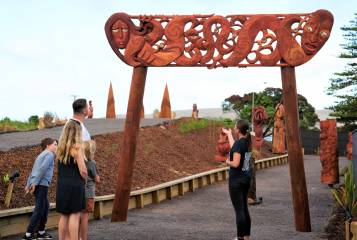
Manea Theatre Attraction Footprints of Kupe
Hokianga, Northland
Manea Footprints of Kupe is a 75-minute multisensory journey of guided storytelling through art, taonga (cultural treasures), film, performance, digital interaction, and the splendour of Hokianga’s natural surroundings ...
The themes of Matariki encourage people to remember those who came before them while looking ahead to the future. Hokianga provides a powerful setting to reflect on these ideas while gaining a deeper appreciation for Māori culture and identity.
Further south on the East Coast, Gisborne offers another meaningful connection to Matariki. Often known as the first city in the world to welcome the sunrise each day, the region has a strong Māori heritage and a deep connection to storytelling, community, and the natural environment.
Visitors can explore significant cultural sites while learning about local traditions, history, and the stories that continue to shape the region today.
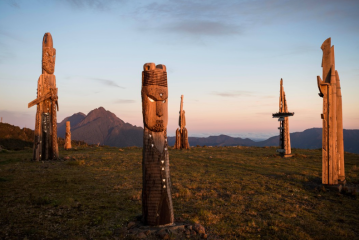
Day Tour - Haramai Tour
Gisborne
Standing at 1,754 metres tall above the rural town of Ruatoria in the Waiapu Valley, this is a one-of-a-kind Maunga Hikurangi Tour that takes you on an in-depth journey of local history, culture, and customs.
For travellers wanting to connect with Māori culture beyond the major tourism centres, both Hokianga and Gisborne offer authentic experiences that align naturally with the values celebrated during Matariki.
Māori Cultural Experiences Across New Zealand
While Matariki is celebrated nationally, the heart of the season remains grounded in Māori culture, storytelling, and connection to place.
Travellers who engage with Māori guided experiences during this time often gain a much deeper understanding of New Zealand itself. The stories connected to land, waterways, forests, navigation, ancestors, and stars transform landscapes from scenic locations into places with cultural meaning and identity.
In Northland, where many of New Zealand's earliest Māori histories remain deeply present, cultural experiences and storytelling naturally align with the themes of Matariki.
The Hundertwasser Art Centre with Wairau Māori Art Gallery combines contemporary creativity with Māori artistic expression in a way that feels particularly meaningful during a reflective season like Matariki.
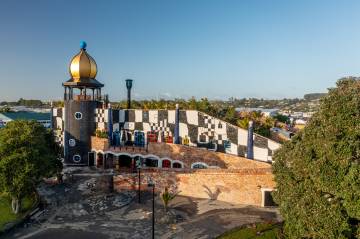
Hundertwasser Art Centre with Wairau Māori Art Gallery
Whangarei, Northland
Hundertwasser Art Centre with Wairau Māori Art Gallery celebrates visionary painter, ecologist, and architect Friedensreich Hundertwasser and contemporary Māori artists. Discover the largest collection of Hundertwasser ...
Nature based night experiences also become especially atmospheric during winter. Glow worm cave experiences, forest walks, and quieter evening environments connect naturally with the themes of darkness, stars, and nature.
Kawiti Glow Worm Caves, Hundertwasser Centre, Opua Forest Walk
Bay Of Islands, Northland
Step into a glittering underground world on this unforgettable tour combining three of Northland's most unique attractions. Walk a wooden boardwalk through a 200-metre limestone cave alive with thousands of native glow w ...
In other parts of New Zealand, glow worm cave experiences similarly create a sense of stillness and wonder that aligns beautifully with the quieter atmosphere of Matariki travel.
Visitors wanting to explore more cultural and nature-based experiences can also discover activities throughout Northland and the Bay of Islands, where Māori history, coastal landscapes, and storytelling experiences remain deeply connected to the region's identity.
Winter Wellness & Slower Travel During Matariki
One of the reasons Matariki has become increasingly important for New Zealand travel is because it encourages a completely different style of movement throughout the country.
Winter travel during Matariki tends to feel slower, quieter, and more intentional. Rather than chasing packed itineraries, many visitors choose fewer destinations while spending more time immersed in local experiences, landscapes, and seasonal atmospheres.
This is where geothermal regions, dark sky areas, coastal retreats, and smaller regional towns become especially appealing.
Morning walks through misty forests, evenings beside hot pools, quiet coastal drives, night skies free from light pollution, and long conversations over shared meals all feel naturally connected to the themes of Matariki.
The season encourages travellers to experience New Zealand differently, not simply through activity checklists, but through atmosphere, connection, and time spent more thoughtfully within the landscape itself.
Planning Your Matariki Journey
Because Matariki falls during winter, planning ahead remains important for certain experiences and regions.
Dark sky tours, cultural evening experiences, and popular geothermal destinations can become especially busy during school holidays and public holiday weekends. Booking ahead is recommended for:
Stargazing tours Observatories Cultural performances Geothermal experiences Guided storytelling experiences Winter wellness escapes
Weather conditions can also vary significantly between regions during winter. Alpine regions such as Lake Tekapo and Canterbury can experience snow and colder temperatures, while Northland and coastal areas remain milder.
Layered clothing, flexibility with driving conditions, and allowing additional travel time all help create a more enjoyable winter journey.
Most importantly, Matariki travel works best when approached with a slower mindset. The season rewards travellers who allow space for quiet experiences, regional exploration, and time spent connecting with New Zealand's landscapes and stories more meaningfully.
Discover a Different Side of New Zealand
Matariki reveals a quieter and more reflective side of New Zealand that many travellers never experience during the busy summer months. Winter landscapes, dark skies, Māori storytelling, geothermal warmth, coastal stillness, and slower regional journeys all combine to create something genuinely unique.
Rather than simply marking a holiday period, Matariki encourages visitors to experience New Zealand through connection, reflection, culture, nature, and the changing rhythms of the seasons.
Perhaps that's why Matariki feels different from many other travel experiences. It reminds us that travel is not always about moving faster or seeing more. Sometimes the most meaningful journeys come from slowing down, looking up, and reconnecting with the places, people, and stories around us.
Whether you explore geothermal Rotorua, stargaze beneath the dark skies of Lake Tekapo, experience Māori storytelling in Northland, or simply find a quiet place to reflect beneath New Zealand's winter sky, Matariki offers a deeper and more meaningful way to experience Aotearoa.
Explore more cultural experiences throughout Rotorua, discover stargazing and dark sky experiences across New Zealand, or browse Northland and Bay of Islands activities for a slower winter journey during Matariki season.
Frequently Asked Questions about Matariki in New Zealand: Māori New Year, Stargazing & Cultural Experiences
What is Matariki?
Matariki is the Māori New Year, marked by the reappearance of the Matariki star cluster during winter. It represents remembrance, renewal, reflection, connection, and preparing for the year ahead.
What does Matariki mean in Māori culture?
Matariki represents far more than a seasonal celebration. It is deeply connected to Māori identity, astronomy, remembrance, whānau connection, environmental awareness, storytelling, and preparing for future seasonal cycles.
When is Matariki celebrated?
Matariki is celebrated annually during winter in New Zealand, usually between June and July depending on the lunar calendar. It is now an official public holiday in New Zealand.
Why is stargazing important during Matariki?
The appearance of the Matariki stars traditionally signalled the beginning of the new year. Stargazing remains one of the most meaningful ways to connect with the season and understand its cultural significance.
Where are the best places for stargazing in New Zealand?
Lake Tekapo and the Mackenzie Region are internationally recognised for dark sky viewing. Other excellent regions include Northland, remote coastal areas, and observatory experiences throughout New Zealand.
Is Matariki celebrated across all of New Zealand?
Yes. While traditions differ between iwi and regions, Matariki is now recognised nationally with cultural events, storytelling, performances, art installations, and community gatherings throughout the country.
What experiences suit Matariki travel best?
Stargazing, Māori cultural experiences, geothermal wellness, glow worm caves, forest walks, observatories, storytelling experiences, and slower regional travel all align naturally with the themes of Matariki.
Is winter a good time to travel around New Zealand?
Absolutely. Winter offers quieter roads, dramatic landscapes, dark skies, geothermal experiences, and a slower pace of travel that many visitors find more immersive and relaxing than the busy summer season.
Why does Matariki feel different from other holidays?
Unlike highly commercial celebrations, Matariki focuses on reflection, remembrance, family, storytelling, nature, gratitude, and connection to the environment. This creates a much calmer and more meaningful atmosphere throughout New Zealand during the season.