Milford Sound as Part of a South Island Itinerary
Milford Sound is often considered the highlight of a South Island journey and is commonly combined with destinations including Queenstown, Wanaka, Te Anau, Mt Cook, and the wider Fiordland region. Its remote wilderness setting creates a dramatic contrast to the alpine lakes, adventure act... Show More



Filter results by Area, Activity and Rating
Refine your search
 Regions
Areas
Regions
Areas
 Activities
 Attractions
 Ratings
 Sort by
Free cancellation: Get a full refund of ticket price up to 24 hours in advance.
Water Sports in Milford Sound
Explore Milford Sound by Activity


Tourist Information About Water Sports in Milford Sound
Milford Sound as Part of a South Island Itinerary
Milford Sound is often considered the highlight of a South Island journey and is commonly combined with destinations including Queenstown, Wanaka, Te Anau, Mt Cook, and the wider Fiordland region. Its remote wilderness setting creates a dramatic contrast to the alpine lakes, adventure activities, and vineyard regions found elsewhere across the South Island.
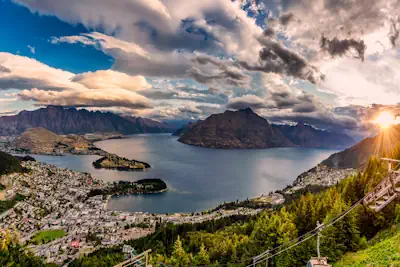
Many travellers base themselves in Queenstown before taking a day trip into Milford Sound, while others stay overnight in Te Anau to explore Fiordland at a slower pace. Scenic flights, cruises, hiking trails, and guided wilderness tours all combine to create a diverse range of travel experiences suitable for short visits or longer South Island road trips.
Because Milford Sound is located within Fiordland National Park, it also acts as a gateway to some of New Zealand’s most famous hiking routes including the Milford Track, Routeburn Track, and Kepler Track. These internationally recognised Great Walks attract visitors wanting to experience Fiordland’s wilderness beyond the roadside viewpoints and cruise routes.
Whether visited as part of a wider road trip or as a dedicated destination, Milford Sound remains one of New Zealand’s most unforgettable natural experiences and an essential part of any South Island itinerary.
The Journey from Queenstown & Te Anau to Milford Sound
The journey to Milford Sound is widely regarded as one of the most scenic drives in New Zealand, travelling through the spectacular landscapes of Fiordland National Park. Most visitors begin from Queenstown or Te Anau, passing through alpine valleys, native rainforest, glacier-carved mountains, and dramatic wilderness scenery before reaching the fiord itself.
The Milford Road is filled with natural highlights including the Mirror Lakes, Eglinton Valley, Homer Tunnel, and countless mountain viewpoints that showcase the scale of Fiordland’s untouched landscapes. During winter, snow-covered peaks create an entirely different atmosphere, while heavy rainfall throughout the year produces temporary waterfalls cascading down steep cliff faces beside the road.
Many visitors choose guided day tours from Queenstown or Te Anau to enjoy the scenery without driving themselves. These tours often include local commentary, scenic stops, wildlife information, and Milford Sound cruise experiences all combined into one itinerary. Scenic coach tours are especially popular because they allow travellers to fully appreciate the surrounding landscapes throughout the journey.
The route between Queenstown, Te Anau, and Milford Sound has become one of the defining travel experiences of the South Island and is considered a core part of many New Zealand itineraries.
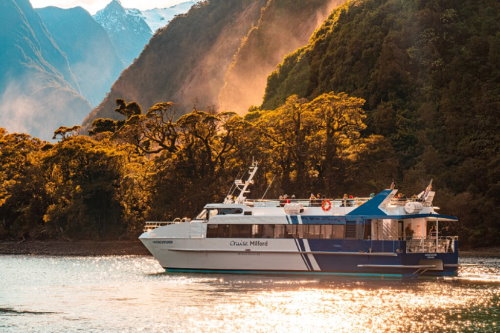
Milford Sound Cruises & Scenic Fiord Experiences
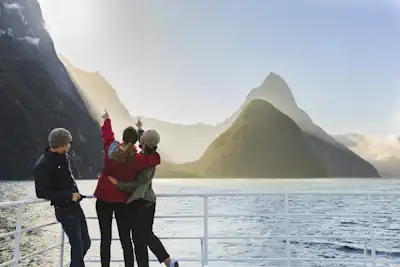
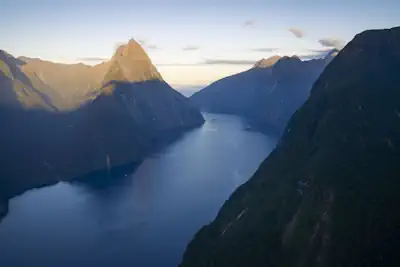
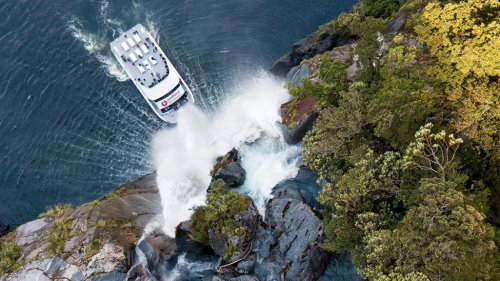
A cruise through Milford Sound is one of the most iconic travel experiences in New Zealand and the best way to appreciate the sheer scale of Fiordland’s dramatic landscape. Towering cliffs rise almost vertically from dark waters while waterfalls tumble hundreds of metres from rainforest-covered mountains into the fiord below. Cruises travel deep into the heart of Milford Sound, often reaching the Tasman Sea while passing famous landmarks including Mitre Peak, Stirling Falls, and Bowen Falls.
One of the most remarkable aspects of Milford Sound is how quickly the weather and scenery can change. Rain transforms the fiord into a landscape of temporary waterfalls cascading from every cliff face, while calm days create mirror-like reflections across the water. Wildlife is also a major highlight, with regular sightings of New Zealand fur seals, dolphins, and Fiordland crested penguins.
Cruises range from large sightseeing vessels to smaller boutique experiences that can travel closer to waterfalls and rock formations. Many visitors combine a Milford Sound cruise with scenic drives, flights, or guided tours from Queenstown or Te Anau, making it one of the most unforgettable natural attractions in the South Island.
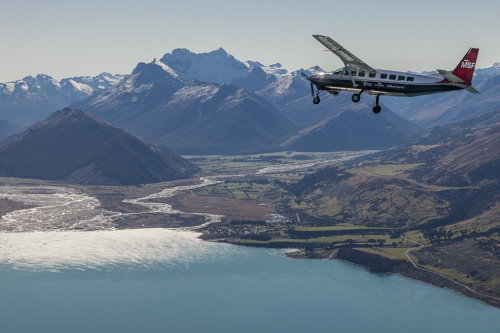
Scenic Flights Over Fiordland & Milford Sound
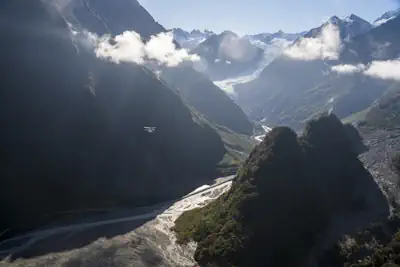
Scenic flights offer one of the most spectacular ways to experience Milford Sound and the wider Fiordland region, revealing landscapes that are impossible to fully appreciate from the ground alone. Flights from Queenstown, Wanaka, and Te Anau travel above alpine ranges, glacier-carved valleys, remote lakes, and untouched rainforest before descending toward the dramatic fiords of Fiordland National Park.
From the air, visitors can see the immense scale of Milford Sound, with Mitre Peak rising sharply from the water and waterfalls threading through steep mountain valleys below. Snow-covered peaks, braided rivers, and isolated wilderness areas stretch across the landscape, showcasing why Fiordland is recognised as part of a UNESCO World Heritage Area.
Many scenic flights include glacier landings, alpine snow landings, or combined cruise experiences that allow visitors to experience both the fiord from the water and the surrounding mountains from above. Helicopter and fixed-wing flight options are both popular and provide completely different perspectives of the region.
Scenic flights have become one of the most sought-after experiences in Fiordland, especially for travellers wanting to access remote scenery quickly while experiencing some of the best aerial landscapes in New Zealand.
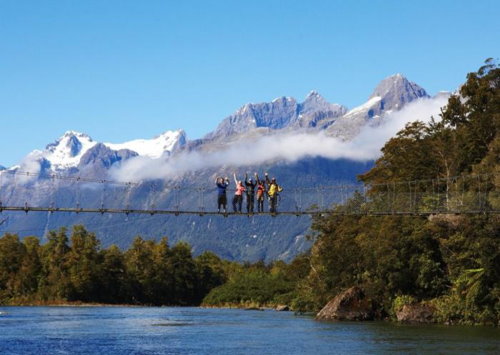
Fiordland Wildlife, Rainforest & Natural Wonders
Milford Sound sits within Fiordland National Park, one of the largest protected wilderness areas in the Southern Hemisphere and home to extraordinary native wildlife, rainforest ecosystems, and geological landscapes shaped over millions of years. The fiord itself supports an unusual marine environment where deep ocean species survive close to the surface due to the heavy freshwater rainfall flowing into the sound.
Wildlife encounters are a major highlight for visitors exploring Milford Sound. New Zealand fur seals are commonly seen resting on rocks near the fiord entrance, while bottlenose dolphins frequently swim beside cruise vessels. Fiordland crested penguins, one of the rarest penguin species in the world, can also occasionally be spotted throughout the region.
Above the waterline, dense rainforest clings to steep cliffs shaped by glaciers during the Ice Age. Moss-covered trees, waterfalls, alpine peaks, and hanging valleys create one of the most dramatic natural environments in New Zealand. Rain plays a major role in shaping the landscape, with Milford Sound receiving some of the highest annual rainfall totals on Earth.
This combination of marine life, rainforest, waterfalls, and alpine scenery makes Fiordland one of the most biologically and visually unique destinations in New Zealand.
Top Destinations
Explore some of New Zealand’s most popular travel destinations.