


Auckland to Bay of Islands Road Trip Guide
 26 May 2026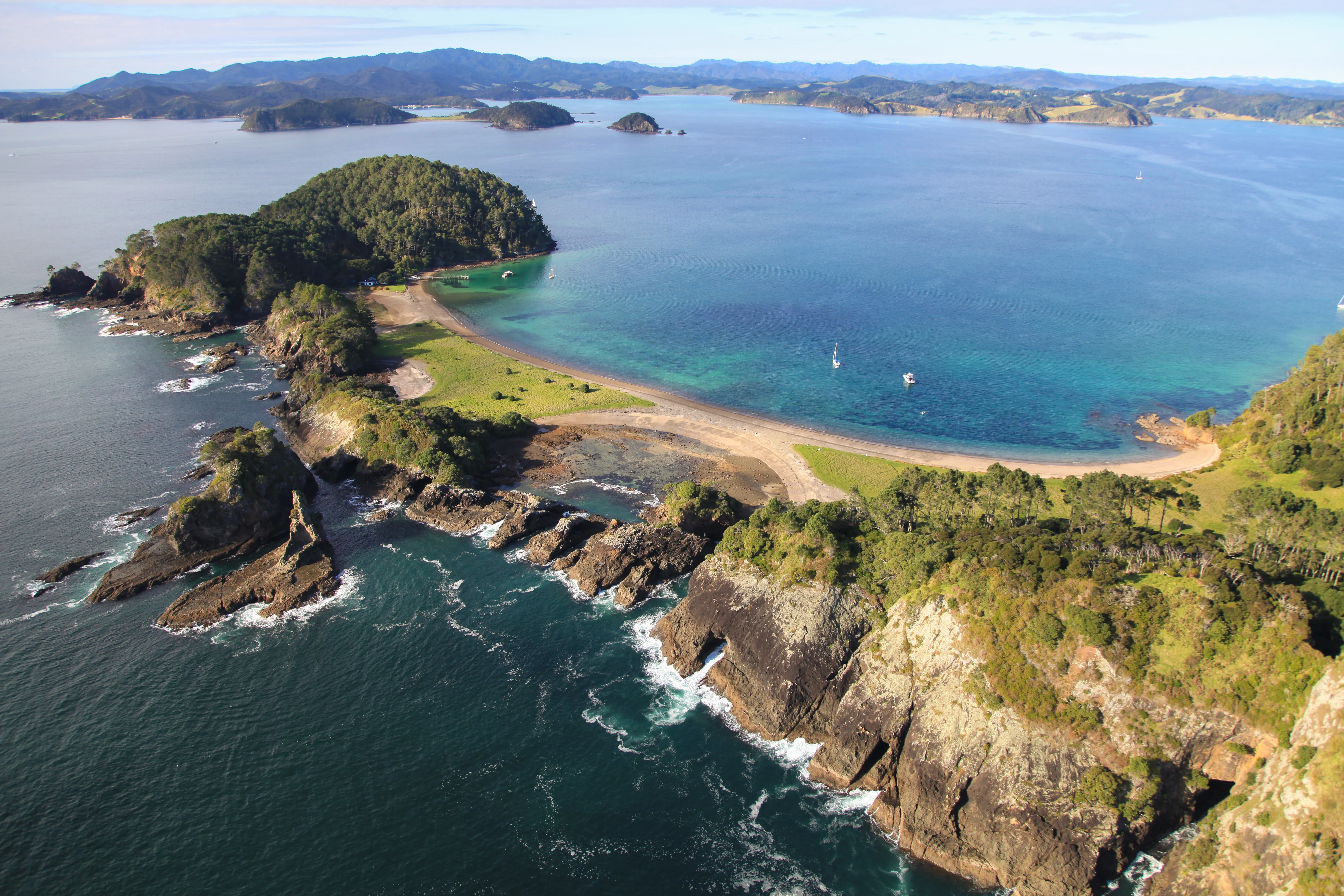
Somewhere around the Matakana turnoff, the motorway noise fades and something changes. The farmland opens differently. The sky feels wider. The pace shifts from escape to arrival, which is perhaps why many travellers discover that the drive from Auckland to the Bay of Islands becomes the most memorable part of their Northland trip.
While the route can technically be driven in a single day, that’s rarely how it’s best experienced. This is a journey shaped by coastal detours, small towns, quiet beaches, long lunches, cultural encounters, and stretches of road that reward slowing down rather than rushing through.
For many visitors, the journey itself becomes just as rewarding as the destination. The drive north offers a chance to experience a different side of New Zealand, one built around scenery, local character, and discovering places you never originally planned to stop in.
Why This Route Works Better Over Several Days
The Auckland to Bay of Islands drive looks straightforward on a map, but the real appeal of the journey happens between the major destinations. Coastal detours, small towns, local food stops, beaches, galleries, and cultural experiences all reward travellers who leave extra time to explore.
Rather than rushing north in a single day, many visitors find the experience becomes far more memorable when spread across several days. The slower pace allows room for unexpected stops and a more meaningful connection to Northland’s landscapes and local character.
Leaving Auckland: The Shift North
As you leave Auckland’s suburbs behind, the landscape begins to change quickly. Busy motorways give way to rolling farmland, pockets of native bush, and smaller coastal settlements where the pace feels noticeably slower.
One of the first worthwhile stops along the route is Matakana, known for its relaxed food and wine atmosphere, local markets, boutique wineries, and surrounding countryside. Unlike some larger wine regions, Matakana still feels local and unhurried, making it a natural place to slow down before continuing north.
Travellers wanting a more curated experience through the area can explore local wineries, galleries, and regional food experiences throughout the countryside.
Many visitors choose to spend several hours exploring the region before continuing further north, while others stay overnight and continue the drive the following morning.
Further north, Whangārei serves as a natural refuelling point and is worth a proper stop if you have the time. The city offers several worthwhile attractions for travellers wanting to break up the drive with something more substantial than a coffee stop.
Whangārei works well as a slower stop along the journey north, with cultural attractions, museums, coastal scenery, and local experiences that can easily fill part of the day.
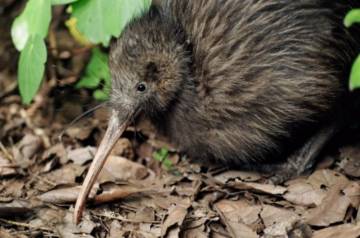
Kiwi North: Whangarei Museum, Kiwi House & Heritage Park
 Whangarei, Northland
You will find Northland's only Kiwi House here at Kiwi North. This Whangarei attraction is set on 25 hectares of rolling farmland, forest & bush, with views that overlook the city and the Whangarei Heads. The site fe ...


For travellers interested in art and Māori cultural expression, the region also has gallery experiences worth exploring during a Whangārei stop.
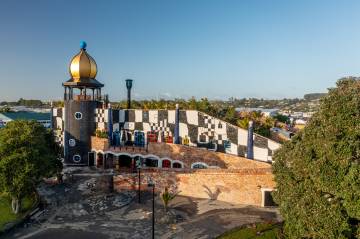
Hundertwasser Art Centre with Wairau Māori Art Gallery
Whangarei, Northland
Hundertwasser Art Centre with Wairau Māori Art Gallery celebrates visionary painter, ecologist, and architect Friedensreich Hundertwasser and contemporary Māori artists. Discover the largest collection of Hundertwasser ...
Together, these experiences help transform Whangārei from a simple transit point into a meaningful part of the journey north.
Finding Your Own Pace Through Northland
This is where the road trip reveals its real character. Between Auckland and the Bay of Islands, there are no mandatory stops, which means you have complete freedom to build a journey that matches what interests you.
Some travellers are drawn to coastal detours: unmarked beach turnoffs, small settlements where the main street runs alongside the water, and long stretches of sand that still feel genuinely quiet. Others prefer inland routes through farmland and forest, discovering hidden walking tracks and small local reserves.
Food focused travellers often shape their journey around farm shops, wineries, cafés, and local producers, while culture seekers weave in Māori heritage experiences that connect them more deeply to Northland’s history and identity.
Rather than following a rigid itinerary, this drive works best when approached with flexibility. Some of the most memorable moments happen unexpectedly, a quiet coastal lookout, a roadside café, or a conversation with locals in a small town you had never planned to stop in.
Seasonal Considerations
The journey also changes depending on the season. Summer brings reliably warm days, ideal for beach stops and water activities, though coastal towns become noticeably busier. Autumn and spring offer milder temperatures, fewer crowds, and some of the year's best light for photography. The roads are quieter, and you'll have more flexibility with bookings during these seasons. Many travellers find these seasons feel more like "real travel" than the busy summer period.
Winter might surprise you. While temperatures are cooler, Northland generally remains milder than much of New Zealand, making it a surprisingly good option for a quiet coastal road trip with crisp morning light and empty beaches. It's not ideal for water activities, but for driving and exploring on land, it works well.
Rather than a fixed itinerary, think of this drive as a framework you can adjust. The destination matters less than the permission to stop whenever something catches your eye.
Northland's Deeper Story: Culture and History
Northland is far more than a scenic backdrop. The region holds profound cultural significance within New Zealand and carries deep connections to Māori history, storytelling, and identity. Understanding this context transforms the road trip from a scenic drive into a more meaningful journey.
The history is literally embedded in the landscape. Early Māori settlement, European contact, colonial shifts, and ongoing cultural presence all shaped what Northland is today. Travellers who take time to engage with this history rather than simply passing through the scenery often describe it as the part that stayed with them most.
One option that fits naturally into a Northland itinerary focuses on local storytelling, cultural connections, and the landscape's deeper meaning. It's not a museum experience but rather a way of encountering the region through the people and stories that define it.
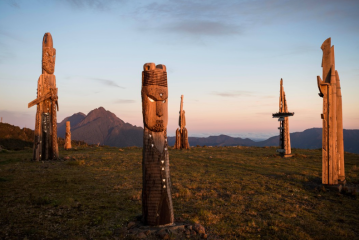
Day Tour - Haramai Tour
Gisborne
Standing at 1,754 metres tall above the rural town of Ruatoria in the Waiapu Valley, this is a one-of-a-kind Maunga Hikurangi Tour that takes you on an in-depth journey of local history, culture, and customs.
Similarly, if you're spending time in the Bay of Islands, a visit to the historic Waitangi site adds essential historical context. The location's significance goes far beyond tourism because it's one of New Zealand's foundational historical locations where you can engage meaningfully with the country's complex colonial history.
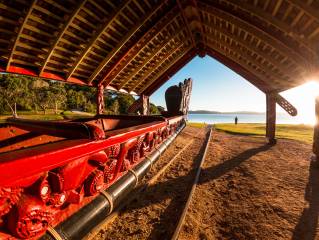
Waitangi Admission Pass
Paihia, Northland
Waitangi Treaty Grounds welcomes you on a journey of discovery through Aotearoa New Zealand’s most important historic site. Your admission is valid for two consecutive days and includes a guided tour (50 minutes), cult ...
Adding these experiences into your drive, even if it's just conversation focused rather than formally guided, shifts how you experience the entire journey north. The coastline, the bush, the small towns all start to feel less like a scenic backd-r-o-p and more like a place with real history, real people, and real stories worth understanding.
Arriving at the Bay of Islands: Where Everything Opens Up
After hours of driving north, arriving in the Bay of Islands feels like a genuine change of place. The pace visibly slows. The scenery opens up. The coastline becomes the centre of everything.
The geography alone makes this special. More than 140 islands scatter across sheltered waters, creating a landscape that feels both dramatic and protected. The colour of the water, the light hitting the islands, the sense of open space all create an atmosphere that's distinctly different from the drive that brought you here. This is what makes the Bay of Islands one of New Zealand's most visited coastal destinations.
Paihia serves as the practical base for most visitors. It's where ferries depart, where cruises launch, where coastal walks begin, and where you'll find cafés, restaurants, and accommodation options. The town itself has a genuine seaside atmosphere that's not overdeveloped, but lively enough that there's always something happening along the waterfront.
If you want to explore more options in the region, you can discover experiences throughout the Bay of Islands and activities based in Paihia.
Getting on the Water: The Real Bay of Islands Experience
One of the quickest ways to understand why people love the Bay of Islands is to actually be on the water. Cruising or sailing isn't a tourist add-on here; it's the primary way most visitors properly experience the islands, the marine life, and the actual scale of the coastline.
You have options depending on your preference and what kind of experience appeals to you most.
Intimate Sailing Experiences
For a more intimate sailing experience with a smaller group atmosphere and the genuine feeling of sailing rather than being on a large vessel, there are sailing options that offer a quieter way to explore the bay. These appeal to travellers wanting peace on the water while discovering the islands at a natural pace.
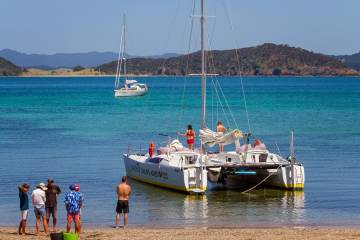
Island Hopper Sailing Cruise
Bay Of Islands, Northland
Join the Barefoot Sailing crew for a magical sailing experience in the Bay of Islands. Specializing in small groups, you won't get lost in the crowd; you'll feel like part of the crew! Enjoy a great day out, explore sec ...
Iconic Bay of Islands Cruises
If you're drawn to the iconic experience where you actually sail through a natural rock archway and explore multiple islands in a comprehensive full day journey, a cruise combining island scenery, marine wildlife sightings, and coastal landmarks offers a more comprehensive exploration of the coastline that creates genuine wow moments.
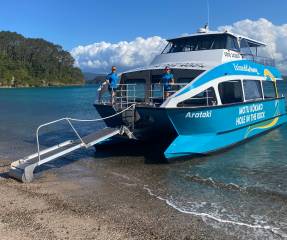
4.5hr // Hole in the Rock Cruise & Island Tour
Bay Of Islands, Northland
Embark on a captivating 4.5-hour cruise and island tour in the Bay of Islands, New Zealand, where you'll sail amidst stunning landscapes and crystal-clear waters. Marvel at the 144 picturesque islands, spot dolphins and ...
Marine Adventures and Alternative Water Experiences
Beyond traditional cruising and sailing, the Bay of Islands offers other ways to experience the water depending on your interests and comfort level.
For travellers wanting to get closer to the bay's underwater marine ecosystems, snorkelling provides a completely different perspective of the islands and their surrounding waters. Two epic snorkelling locations showcase the bay's marine biodiversity.
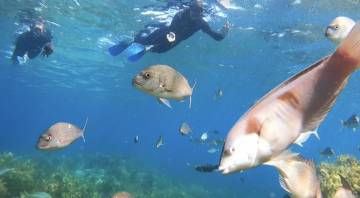
Bay of Islands Snorkelling
Bay Of Islands, Northland
We're the Bay of Islands' only dedicated snorkeling experience. Hop in for an epic underwater adventure filled with countless fish varieties. Small groups with no waiting around for the scuba divers Our trips feature ...
For those drawn to a more active fishing experience on the water, fishing charters provide the opportunity to experience the bay's rich marine life in a hands-on way. Local guides know the best spots and can teach visitors about the region's fishing heritage.
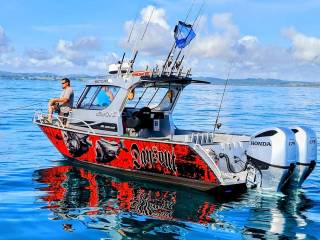
Days Out Fishing Charters Bay of Islands
Bay Of Islands, Northland
Our aim is to make your fishing adventure and stay in the Bay of Islands an experience you will remember. Within 5 miles of the port, you can catch Snapper or Kingfish; further out, you may encounter a huge array of sea ...
For travellers seeking something truly unique, there's also the option to sail aboard a heritage tall ship that combines sailing tradition with modern comfort. This experience offers a distinctly different perspective from contemporary sailing vessels.
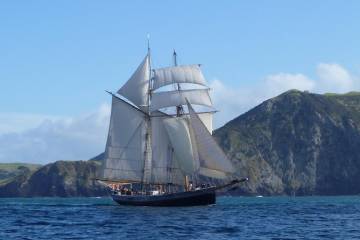
R Tucker Thompson
Russell, Northland
A tall ship sailing adventure in the Bay of Islands! Join R Tucker Thompson for a Day Sail or Sundowner Sailing! Help as much or as little as you like. Let the crew do the work, or help hoist the sails, and be in the cre ...
Many visitors find that spending at least one full day on the water becomes the highlight of their Bay of Islands visit. Whether you choose sailing, cruising, snorkelling, fishing, or a heritage sailing experience, it's worth booking ahead during peak travel seasons to secure your preferred experience.
Russell: The Other Side of the Bay
From Paihia, most visitors eventually take the short ferry ride across to Russell, one of New Zealand's oldest European settlements. Crossing the bay itself becomes part of the experience, watching Paihia recede, the islands pass, and the Russell waterfront gradually come into focus.
Russell feels genuinely separate from Paihia, not just geographically. Historic colonial era buildings line the waterfront. Restaurants tuck into heritage settings. The pace is noticeably quieter. You can spend a full day here, or pop across for a few hours. Either way, it creates a different atmosphere from the busier Bay of Islands base.
Walking the waterfront, exploring the historic buildings, and lingering over lunch at a small restaurant overlooking the bay are the main activities. It's the kind of place that rewards slow exploration rather than rushing through a checklist.
If you want more structured local knowledge, there are mini tour options that provide local context and history. You can also discover more Russell specific experiences if you're planning an extended stay.
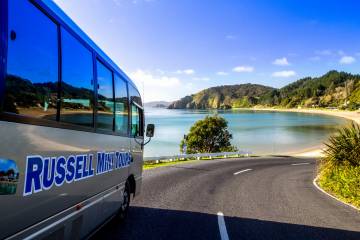
Russell Mini Tours
Bay Of Islands, Northland
Romantic Russell – Steeped in history with a very checkered past. Bus tour departing from Russell Wharf, spend a comfortable hour aboard our Mini Coaches as we take you back in time, telling you stories going back to t ...
The Russell waterfront dining scene offers excellent options for dinner after a day of exploring the town's historic attractions and beaches.
Going Further North: Cape Reinga and 90 Mile Beach
For travellers with additional time, continuing north beyond the Bay of Islands opens up different Northland entirely. The landscape becomes more remote, more dramatic. Large sand dunes, rugged coastline, and long stretches of largely empty beach create the feeling that you've reached a genuine frontier.
Cape Reinga marks the northern tip of the North Island, a location with spiritual significance within Māori culture and geographic significance as the meeting point of two ocean currents. The drive to reach it passes through some of Northland's most striking terrain. This is where many travellers feel they've truly reached the Far North.
90 Mile Beach is exactly what it sounds like: a vast stretch of sand that becomes a drivable beach in certain conditions. It feels genuinely remote and creates a sense of being at the edge of things. The sheer scale of the beach and the dramatic dunes make it one of the most iconic Northland landscapes.
For visitors who want to experience this extension without self driving the full distance, guided tours make it more manageable while providing context about the region's significance.
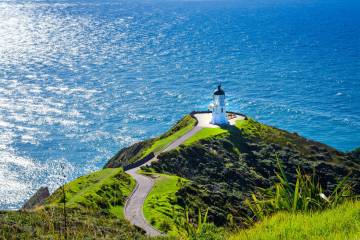
Cape Reinga & 90 Mile Beach Tour
Far North, Northland
We offer a comfortable, small, flexible group tour. Maximum 11 passengers, with knowledgeable, humorous tour leaders, who will make sure you get to see and hear about all the best bits of the Far North and won’t forget ...
This extension works especially well for travellers who find themselves wanting more than the Bay of Islands offers: more space, more dramatic scenery, and a genuine sense of reaching somewhere remote. Many visitors who take this extension describe it as the highlight of their entire Northland trip.
Exploring the Twin Coast Discovery Highway
Travellers with additional time often choose to experience part of the Twin Coast Discovery Highway, one of Northland’s best known touring routes. Rather than simply driving directly back to Auckland, the route allows visitors to loop through different parts of Northland while exploring both coastlines of the region.
The western side of the journey introduces a very different landscape, including the Kauri Coast, remote beaches, rolling farmland, and the Hokianga region. This slower return route offers a chance to experience another side of Northland beyond the Bay of Islands.
For travellers wanting a more active way to experience the region, the Pou Herenga Tai - Twin Coast Cycle Trail connects sections of Northland between the Bay of Islands and Hokianga Harbour through native forest, historic settlements, wetlands, and rural landscapes. The trail also highlights many of the cultural and historical stories that shape the Far North.
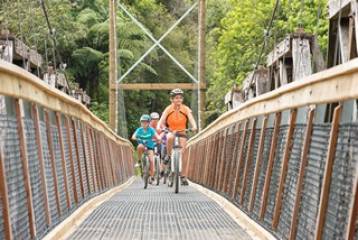
Pou Herenga Tai - Twin Coast Cycle Trial
Kaikohe & Kawakawa, Northland
Pou Herenga Tai – Twin Coast Cycle Trail takes you on an unforgettable adventure across Northland through native forests, lakes, and historic towns from the Bay of Islands to the heart of Hokianga Harbour. 87km from th ...
Visitors exploring further can also discover more experiences throughout the Kauri Coast and Hokianga regions.
Planning Your Journey: A 5 Day Itinerary Framework
If you're unsure how to structure your time, here's how many travellers shape the trip:
Day 1: Auckland to Matakana and Beyond: Leave Auckland mid morning and spend the afternoon exploring Matakana's wineries, galleries, and countryside. You might stay overnight here or continue further north depending on your pace preference and how much the region captivates you. This first day sets the tone for a slower, more intentional journey.
Day 2: Northland Transit and Exploration Drive: further north through Whangārei and smaller coastal towns. This is your day for scenic stops, beaches, walking tracks, viewpoints, small cafés, and any cultural experiences that appeal to you. Whangārei works well as a slower stop along the journey north, with museums, galleries, and coastal attractions that can easily fill part of the day.
Day 3: Bay of Islands and Water Time: Arrive in Paihia and spend your first full day on or near the water. Book a cruise, sailing experience, snorkelling trip, or fishing charter for the afternoon, leaving the morning for exploring the town itself. The water based experience is really where the Bay of Islands reveals itself. This is often the most memorable day for most visitors.
Day 4: Russell and Optional Extensions: Take the ferry to Russell for a slower, historic experience of the opposite shore. Or, if you're drawn to the Far North, use this day for the Cape Reinga and 90 Mile Beach extension. Both options offer very different experiences, so choose based on what appeals to you most.
Day 5: Return via the Twin Coast Discovery Highway: Instead of returning directly to Auckland, travellers with additional time can continue south via the Twin Coast Discovery Highway, travelling through the Hokianga region and along the Kauri Coast. This route offers a completely different perspective of Northland, with towering kauri forests, quieter coastal landscapes, and smaller rural communities that many visitors miss on the main highway south.
This structure gives you movement without rushing, time on the water, cultural engagement, and flexibility for your own discoveries. Adjust timing based on what captures your attention.
Seasonal Timing: When to Make This Drive
Summer (December to February) brings warm, reliable weather and ideal conditions for water based activities throughout Northland. Coastal towns become noticeably busier during school holidays, and popular cruises and sailing experiences often book out well in advance.
Autumn (March to May) and spring (September to November) are often considered the best times to make the journey, with milder temperatures, fewer crowds, and excellent conditions for scenic driving, photography, and outdoor exploration.
Winter (June to August) offers a quieter version of Northland. While swimming and water activities become less common, the region remains milder than many other parts of New Zealand, making it well suited to relaxed coastal driving, cultural experiences, and slower travel.
Regardless of the season, allowing extra time for scenic detours and unplanned stops usually becomes one of the most rewarding parts of the journey.
Practical Planning Tips
Build in extra time for stops. The biggest mistake visitors make is trying to drive this route quickly. Allow at least one hour more than your GPS suggests to account for scenic detours, photo stops, and small discoveries. These unplanned moments often become the best memories.
Book popular Bay of Islands cruises ahead if you're travelling during December to February or school holiday periods. Smaller sailing experiences, snorkelling trips, and fishing charters can also fill up during peak season.
Check ferry schedules if Russell is on your itinerary. Ferries run regularly throughout the day, but knowing the last crossing helps you plan your timeline.
Consider fuel stops carefully if extending to Cape Reinga. The Far North has fewer service stations, so plan refuelling in advance.
Overnight accommodation along the route (especially in Matakana, Whangārei, or Paihia) should be booked ahead during peak season. Off season, you'll have more flexibility.
Weather on the coast can change quickly, especially during winter months. Check conditions before heading out, and bring layers regardless of the season.
Why This Road Trip Stays With Visitors
The Auckland to Bay of Islands drive combines coastal scenery, smaller towns, cultural experiences, and marine landscapes into a journey that feels distinctly different from many other parts of New Zealand.
Rather than focusing on a single destination, the experience is shaped by the variety of places encountered along the way, from quiet coastal roads and local communities to island cruises, cultural sites, and waterfront towns.
For many travellers, the journey itself becomes just as memorable as arriving in the Bay of Islands. Taking time to slow down, explore, and experience the region more naturally is often what leaves the strongest impression.
Ready to Plan Your Journey
The Auckland to Bay of Islands route rewards travellers who slow down and explore beyond the main highway. Whether you have three days or a full week, this journey offers far more than simply getting from one destination to another.
Explore more experiences in Auckland, discover what's available throughout Northland, and browse Bay of Islands activities to build your custom itinerary. Your Northland adventure starts the moment you leave Auckland behind.
Frequently Asked Questions about Auckland to Bay of Islands Road Trip Guide
How many days do you need for this road trip?
While its technically possible in a single day, the route reveals itself over 3 to 5 days. Most visitors find that allowing at least three days provides enough time for meaningful stops without feeling rushed. Four to five days is ideal if you want to include Russell and water based activities comfortably.
Is this drive suitable during winter?
Yes. Northlands milder winter climate makes it a viable option for coastal road trips, though water based activities become less appealing. Land based exploration, driving, and cultural experiences work well in winter conditions.
Can you visit Russell without staying overnight?
Absolutely. The ferry from Paihia takes about 35 minutes, making it easy to spend 3 to 4 hours exploring Russell before returning. Many visitors treat it as a day trip, taking the morning or afternoon ferry across.
Whats the best base for exploring the Bay of Islands?
Paihia is the primary base because it offers the most accessible connection to cruises, ferries, restaurants, and coastal experiences. Russell is quieter and more historic if you prefer a slower pace. Both are within easy reach of each other via the regular ferry service.
Should you add Cape Reinga and 90 Mile Beach to the trip?
If you have the time and are drawn to more remote, dramatic scenery, absolutely. The extension adds a full day and gives you a genuine sense of reaching somewhere remote. Its optional but becomes a highlight for many travellers who add it.
Are water based activities really worth doing?
Completely. Being on the water is how you actually experience the scale and beauty of the Bay of Islands. Whether its sailing, cruising, snorkelling, fishing, or kayaking, time on the water transforms your understanding of why this region matters. Budget at least one full day for a water based experience.
What activities are best during different seasons?
Summer is ideal for all water activities, snorkelling, fishing, and beach exploration. Autumn and spring work well for walking, photography, cultural experiences, and museum visits with fewer crowds. Winter suits scenic driving, historic site visits, and indoor attractions that dont require water access.
Which water activity should I choose?
That depends entirely on your interests. Sailing and cruising let you experience the islands from the water. Snorkelling gets you into the marine environment. Fishing appeals to those wanting a hands on experience. Heritage sailing offers a unique historical perspective. Most visitors enjoy at least two different water activities during their Bay of Islands visit.