


Understanding Canoeing vs Kayaking: Which One Is Right for You?
 08 October 2025
Both canoeing and kayaking offer a special way to explore the water, one calm and reflective, the other quick and dynamic. While they may look similar to the casual observer, these two paddling sports feel entirely different once you’re in the boat. Whether you dream of gliding across a quiet lake or slicing through fast-moving rapids, understanding the differences between canoeing and kayaking will help you decide which adventure suits you best.
Canoeing: A Relaxed and Social Way to Paddle
Canoeing is often described as the more traditional and social form of paddling. The boat is open-topped, with wide sides and space to sit upright or kneel. Most canoes are designed for two or more people, making them ideal for families, couples, or anyone who enjoys teamwork on the water.
A canoe moves gracefully through calm lakes and slow-moving rivers. You use a single-bladed paddle, alternating sides to steer and maintain direction. It’s less about speed and more about rhythm, a steady pace that lets you take in your surroundings and chat with your paddling partner.
There are several types of canoes, each suited to a specific purpose:
-
Recreational Canoes: Stable and spacious, perfect for beginners or relaxed lake trips.
-
Touring Canoes: Built for long-distance paddling with better tracking and storage space.
-
Whitewater Canoes: Shorter, sturdier, and designed to handle rougher waters and quick manoeuvres.
-
Solo Canoes: Compact designs that allow a single paddler to move independently.
Canoeing is about connection with nature, with others, and with the rhythm of the water. It’s perfect for those who want time to slow down and enjoy the journey as much as the destination.
Kayaking: Speed, Control, and a Closer Connection to the Water
Kayaking, on the other hand, brings you closer to the water both literally and emotionally. You sit lower, legs stretched forward, using a double-bladed paddle to move smoothly from side to side. The design of a kayak makes it faster and more responsive, ideal for those who love a more active, hands-on experience.
Unlike canoes, kayaks come with either closed decks or sit-on-top designs. In a traditional “sit-inside” kayak, you’re partly enclosed within the hull, which keeps you dry and stable in choppy waters. Sit-on-top kayaks are open and easy to climb in and out of, popular among beginners and warm-climate paddlers.
There are also several styles to choose from:
-
Recreational Kayaks: Great for calm lakes and gentle rivers, easy to control and very beginner-friendly.
-
Sea Kayaks: Longer and sleeker, designed to cut through waves and cover distance efficiently.
-
Whitewater Kayaks: Short, manoeuvrable boats built to handle rapids and rough water.
-
Fishing Kayaks: Wider for stability, with space for gear and rod holders for convenience.
-
Tandem Kayaks: Made for two paddlers, perfect for couples or friends who want to share the experience.
Kayaking offers a sense of independence. It’s quiet, rhythmic, and often feels more immersive as if the boat and water are working together beneath you.
Canoeing vs Kayaking: The Key Differences
Once you’ve experienced both, the contrasts become clear. Each has its own rhythm, posture, and purpose on the water.
Design and Structure
Canoes have an open deck and high sides, offering more space for passengers and gear. Kayaks are narrower, with either enclosed or sit-on-top hulls that keep you close to the surface for better control.
Paddling and Movement
Canoeists use a single-bladed paddle, switching sides to steer. It’s a calm, deliberate motion. Kayakers use a double-bladed paddle, keeping a continuous rhythm that’s efficient for speed and longer distances.
Seating and Feel
In a canoe, you sit higher or kneel, enjoying open visibility and comfort. In a kayak, you sit low with your legs extended forward, feeling every movement of the water; it’s more intimate and physically engaging.
Stability and Conditions
Canoes feel steady on flat lakes and gentle rivers, while kayaks perform better in waves, wind, or moving water. Kayaks also tend to handle rough water with greater stability due to their enclosed design and lower centre of gravity.
Speed and Efficiency
Kayaks are faster and more aerodynamic. Canoes carry more weight and move at a slower pace, but they’re easier for beginners to balance and enjoy leisurely trips.
Storage and Portability
Canoes offer more space for camping gear or coolers, but they’re bulkier to carry. Kayaks are lighter and simpler to store, making them ideal for people with limited space.
Experience on the Water: What Each Feels Like
Every paddler will tell you that the feeling on the water is where canoeing and kayaking truly part ways.
-
Canoeing feels like a calm journey. You can stretch out, talk with others, and even bring a picnic along. The open deck gives a sense of freedom and connection to your surroundings. It’s less about technique and more about being present in nature.
-
Kayaking feels more like a personal adventure. You’re closer to the surface, gliding quietly with each stroke. The boat reacts instantly to your movements, giving a real sense of control. It’s perfect for those who love solitude, speed, or exploring narrow passages.
Noise, effort, and pace all differ, too. Canoeing is relaxed and social, while kayaking is active and engaging. Both have their rhythm; you just need to find the one that matches yours.
Skill Level and Learning Curve
Canoeing and kayaking both welcome beginners, but they require slightly different skills.
Canoeing is easier to balance at first, making it great for families and casual paddlers. However, mastering smooth and straight paddling takes time and coordination. Kayaking has a steeper learning curve at the beginning, especially when it comes to handling the paddle rhythm, but once you get it, it becomes second nature.
For families, a canoe offers comfort and stability. For solo adventurers, a kayak delivers speed and independence. Couples often enjoy tandem kayaks for shared experiences that still feel dynamic and personal.
Safety Considerations
Safety is at the heart of every paddling adventure, no matter your experience level. Before heading out, it’s important to understand how each craft behaves and prepare accordingly.
Canoes sit higher and have open decks, meaning they can take on water if tipped. Kayaks are more enclosed, which keeps you drier, but capsizing can require a specific recovery method. With the right knowledge and preparation, both are safe and enjoyable.
Essential safety tips include:
-
Always wear a well-fitted life jacket even on calm water.
-
Check the weather forecast before your trip; avoid strong winds or rising water levels.
-
Learn how to safely enter and exit your craft, and practice basic rescue techniques.
-
Stay close to shore if you’re new to paddling.
-
Carry a whistle, waterproof phone case, and basic first-aid kit.
-
Never paddle alone until you’re fully confident in your skills.
Safety isn’t just about equipment; it’s about awareness. Knowing your limits and reading the water before you set off will keep every trip enjoyable.
Physical and Fitness Benefits
Beyond the adventure and fresh air, paddling offers surprising health benefits. Both canoeing and kayaking work your entire body, but in slightly different ways.
-
Canoeing engages your shoulders, arms, and back muscles through controlled strokes. Because of its slower pace, it promotes endurance and strengthens your core. The upright posture helps improve balance and spinal alignment over time.
-
Kayaking delivers a more dynamic workout. The double-bladed paddle creates a continuous rhythm that builds upper-body and core strength. The motion also activates your legs, which help stabilise the craft.
Aside from physical fitness, both water sports are known to improve mental well-being. The gentle repetition of paddling and the sound of water create a natural calm, helping reduce stress and promote mindfulness. Whether it’s a short evening paddle or a weekend trip, both offer a peaceful way to reconnect with your body and your surroundings.
Equipment and Maintenance
The right gear makes all the difference in comfort, safety, and ease of use.
Canoeing essentials:
Canoes are spacious, so you can pack generously. Basic gear includes paddles, life jackets, dry bags, and perhaps a cooler or camping equipment if you’re touring. The open deck allows easy access to supplies, which is great for family outings or overnight trips.
Kayaking essentials:
Kayaks have less storage but use space efficiently. A spray skirt helps keep water out, and accessories like rudder systems improve steering in windy conditions. Fishing kayaks often come with rod holders and extra compartments for gear.
Maintenance tips:
-
Rinse your craft after every use to remove salt, sand, and debris.
-
Store it in a shaded, dry place away from direct sunlight to prevent fading or warping.
-
Check the hull for cracks and repair minor scratches with marine-grade sealant.
-
Keep paddles clean and inspect them for loose joints.
While canoes require a bit more storage room, kayaks are easier to lift, transport, and hang on a garage wall or rack. With simple care, both can last for many seasons.
Best Environments for Each
Where you paddle makes all the difference in how much fun you have. Below are some of the ideal settings for canoes and kayaks, and a few standout operators from New Zealand that bring those environments to life.
Canoeing
Canoes shine in calm waters, quiet lakes, gentle rivers, sheltered bays, anywhere you want to drift and take in the scenery. Because canoes are stable and open, they’re perfect for relaxed trips, birdwatching, fishing, or just floating with friends.
If you plan to paddle in New Zealand, consider:
Canoe Safaris Whanganui River Journey
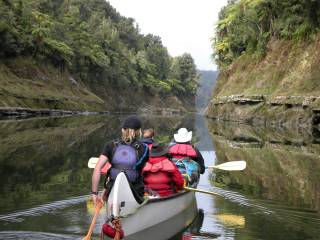
Canoe Safaris Whanganui River Journey
 Whanganui
Experience the Whanganui River Journey with Canoe Safaris for an unforgettable wilderness adventure. Paddle Canadian-style canoes through New Zealand's premier natural environment, suitable for all skill levels. Enjoy sa ...


Glide through the heart of Whanganui National Park in classic Canadian-style canoes. Over multiple days, you’ll follow the gentle bends of the river, pass through lush native bush, and keep an eye out for birds and other wildlife. Camping along the riverbanks adds a touch of adventure, making this an unforgettable wilderness escape.
Canoe Hire & Jet Boat Tours Whanganui River
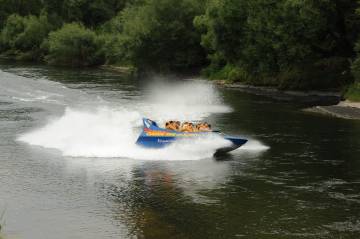
Canoe Hire & Jet Boat Tours Whanganui River
Mt Ruapehu & Tongariro
Whanganui River Canoe hire and Jet boat tours. Experience the thrill.
Perfect for those who want flexibility, these trips range from short paddles to multi-day journeys. Drift along calm waters at your own pace, then finish with the thrill of a jet boat ride. The onsite facilities, including free camping and cosy treats from the family-run setup, make it feel welcoming even for first-time paddlers.
Waka Ama Adventure (Outrigger Canoe)
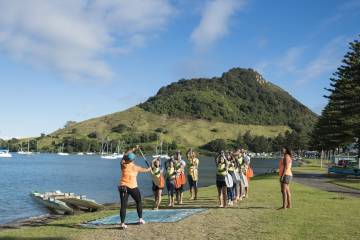
Waka Ama Adventure (Outrigger Canoe)
Mount Maunganui, Bay Of Plenty
Come and journey with us on a Waka Ama Adventure to explore and connect with our moana (sea) and whenua (land).
Start on the shore, learning the basics, then head into Tauranga Harbour on a traditional outrigger. As you paddle toward Mauao, local Māori guides share stories of the land and sea. The experience is part paddling, part cultural immersion, and completely beginner-friendly.
Kayaking
Kayaks thrive in more dynamic environments coastal waters, estuaries, and even mild rapids. Their lower profile and manoeuvrable hulls make them ideal for exploring waves, sea caves, and marine life.
Here is an excellent list of kayaking in New Zealand:
4WD Sea-Kayaking Safari Tour at Pohatu Marine Reserve
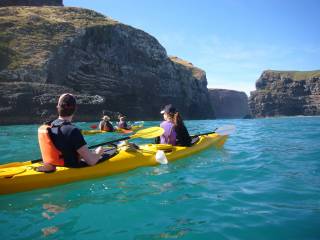
4WD Sea-Kayaking Safari Tour at Pohatu Marine Reserve
Akaroa, Canterbury
Explore the towering volcanic cliffs, reefs, and sea caves of Pohatu marine reserve en encounter its unique wildlife.
This is coastal kayaking at its best: towering sea cliffs, hidden caves, and the chance to spot fur seals and penguins. Even if it’s your first time, guides ensure a safe, smooth, and unforgettable adventure along the pristine reserve.
Seal Kayak Tour – Kaikoura
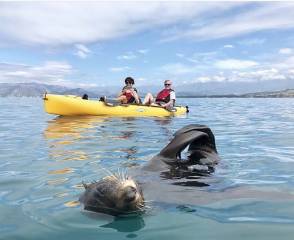
Seal Kayak Tour
Kaikoura, Canterbury
Seal Kayak Kaikoura is the first kayak tour of its kind in New Zealand that allows you to either pedal or paddle. You’re going to love how easy it is to kayak in and around the beautiful Kaikoura Peninsula using the H ...
Pedal or paddle through the Kaikoura Peninsula and come face-to-face with playful fur seals, penguins, and albatross. Using Hobie Mirage Drive kayaks makes it easy to focus on wildlife rather than technique, giving you a hands-on, memorable experience.
Evening Glowworm Kayak Tour – Tauranga
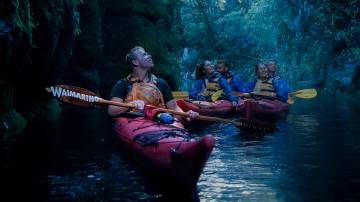
Evening Glowworm Kayak Tour- Tauranga
Tauranga, Bay Of Plenty
Start your Evening Glowworm Tour at Waimarino alongside the Wairoa River. Enjoy delicious refreshments while watching the sun set over the rolling hills. At twilight, our guides will lead you into the calm waters to disc ...
As dusk falls, paddle through calm waters illuminated by thousands of glowworms. The gentle reflections and quiet surroundings make it feel magical, a perfect mix of adventure and tranquillity.
Scenic Lake McLaren & Lake Rotoiti Kayak Tours
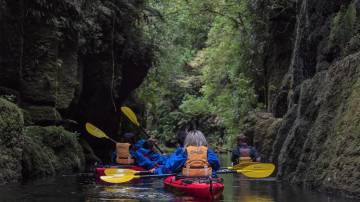
Scenic Lake McLaren Kayak Tour - Tauranga
Tauranga, Bay Of Plenty
The tranquil expanse of Lake McLaren embodies serenity in its purest form. Immerse yourself in a blissful journey as you gracefully navigate through its serene waters, accompanied by the melodic songs of various bird spe ...
These lakes offer peaceful paddling surrounded by native bush and tranquil waterways. On Lake Rotoiti, the tour includes a stop at the natural hot pools, letting you unwind in warm waters before heading back on your kayak.
Kahu Kayaks Guided Tours – Abel Tasman
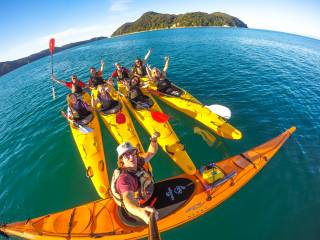
Kahu Kayaks Guided Tours
Tasman
Kahu Kayaks' guided kayaking tours in the Abel Tasman offer a taste of adventure, serenity by the bucket load, and more stunning scenery than you could think possible. Join our friendly kayak guides as they introduce Abe ...
Follow friendly guides along Abel Tasman’s golden beaches, hidden coves, and turquoise waters. The scenery is breathtaking, and the combination of adventure and calm exploration makes it a perfect kayaking experience for all skill levels.
The Riverhead Tavern Kayak Tour in Auckland
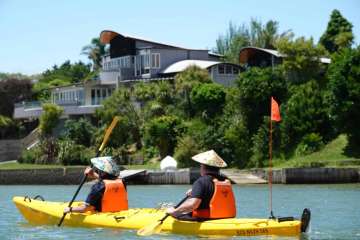
The Riverhead Tavern Kayak Tour in Auckland
West Auckland, Auckland
Discover the Riverhead Tavern, a charming spot on the serene Waitemata River, ideal for kayaking and waterfront dining. Join guided kayak tours led by experts, perfect for all skill levels, and explore the river’s hist ...
A gentle paddle along the Waitemata River pairs well with waterfront dining and birdwatching. It’s a serene urban escape that blends a bit of exercise with a relaxing experience on the water.
Which One Is Right for You?
Choosing between canoeing and kayaking depends on your goals and how you like to move on the water.
Choose Canoeing if you:
-
Enjoy leisurely paddling and want to share the experience with others.
-
Value space and stability, especially for gear or kids.
-
Prefer calm lakes, easy rivers, and scenic routes.
-
See paddling as a relaxing way to spend time outdoors.
Choose Kayaking if you:
-
Want speed, precision, and a more hands-on experience.
-
Prefer to paddle solo or explore narrow waterways.
-
Plan to try ocean paddling, fishing, or more active routes.
-
Enjoy the physical challenge and agility of a sportier craft.
Ultimately, both are rewarding. Some paddlers even switch between the two depending on the trip, canoeing for long, slow weekends, kayaking for quick, active outings.
Tips for Trying Both
If you’re still unsure, the best way to decide is to try both. Many outfitters and clubs offer beginner sessions or guided tours where you can safely experience each style.
Practical tips before you start:
-
Rent before you buy: Try both canoe and kayak models to find what feels right.
-
Take a lesson: A short class can teach you efficient paddling and basic safety.
-
Start in calm water: Practice in lakes or sheltered bays before moving to rivers or waves.
-
Check local conditions: Avoid windy or tidal areas until you’re confident.
-
Go with a group: Paddling with others adds safety and makes the experience more enjoyable.
-
Ask for advice: Local paddling clubs or rental operators often know the best spots for beginners.
Set Out on Your Paddling Adventure
Canoeing and kayaking are two sides of the same adventure, both offering freedom, peace, and a closer connection to nature. Canoeing invites you to slow down and share the moment; kayaking draws you into the rhythm of the water, where every stroke feels alive.
Whether you choose the steady comfort of a canoe or the agile glide of a kayak, the journey is what matters most. Pick up a paddle, step onto the water, and discover which path feels like your own